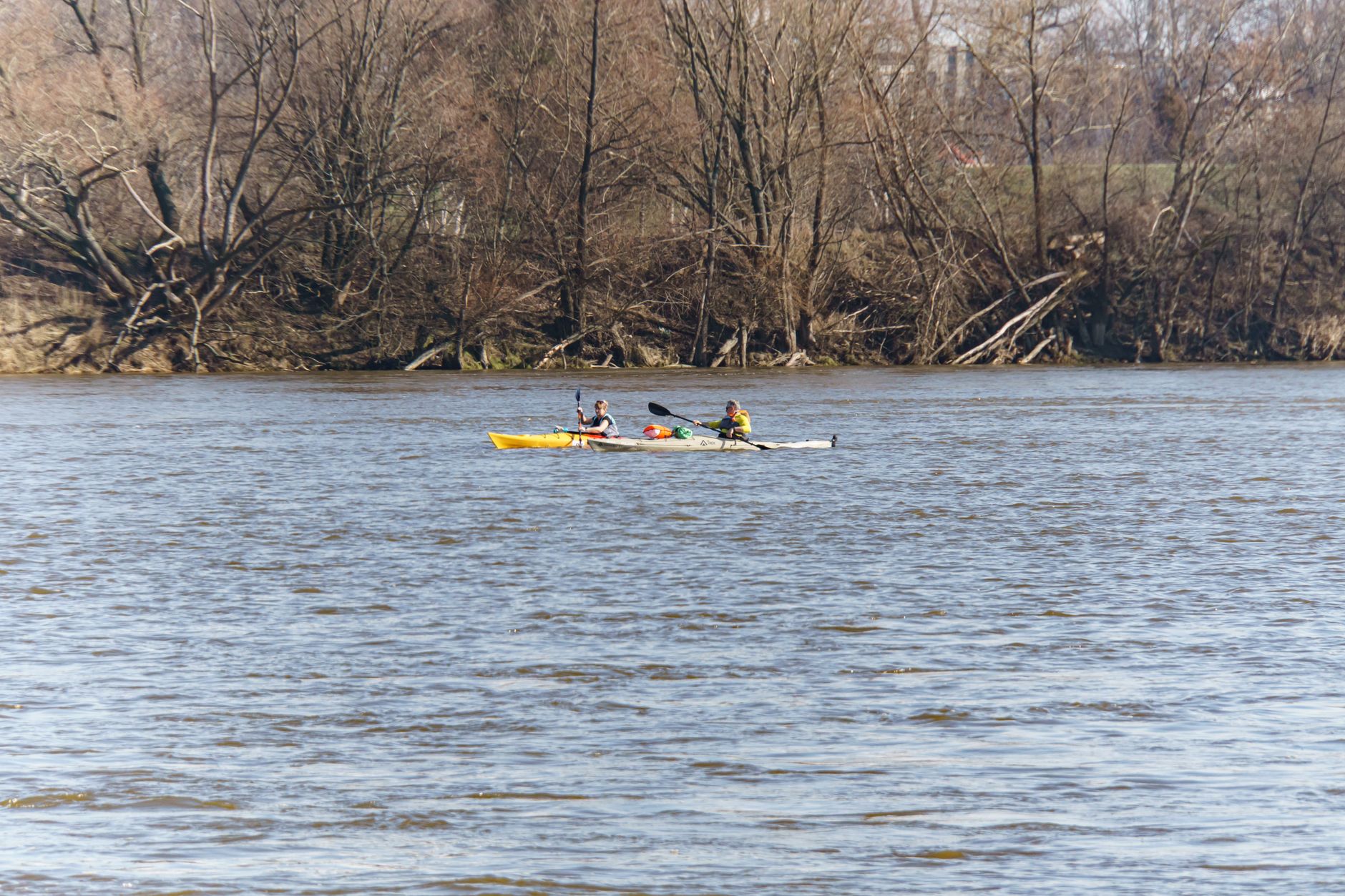
There's something magical about seeing Houston from the water. The city's glittering skyline, its towering live oaks draped in Spanish moss, the great blue herons wading along muddy banks — all of it looks completely different when you're gliding through it at water level on a kayak. Buffalo Bayou, the serpentine waterway that winds through the heart of Houston, offers one of the most underrated outdoor adventures in Texas, and locals have been quietly enjoying it for years while visitors flock to the Space Center and the Museum District. It's time to let you in on the secret.
Stretching roughly 75 miles from Katy to Galveston Bay, Buffalo Bayou is the lifeblood of Houston's urban landscape. The stretch most paddlers explore runs about 10 miles through the urban core, passing beneath downtown bridges, through the artsy Buffalo Bayou Park, and into quieter, tree-canopied corridors that feel nothing like a major American city. Whether you're a first-time paddler or an experienced kayaker, this guide will help you make the most of your time on the water.
Understanding Buffalo Bayou: What to Expect on the Water
Buffalo Bayou is a flat-water paddle, meaning you won't encounter rapids or technical whitewater. The current is generally mild, making it accessible to beginners, though water levels can rise dramatically after rain. The bayou moves west to east, so a common strategy is to put in at an upstream launch point and let the gentle current assist you as you paddle east toward downtown and beyond.
The water itself is a rich, tannin-brown color — think iced tea, not a mountain stream. This is completely normal for Gulf Coast waterways and doesn't indicate pollution. That said, after heavy rainfall, water quality can be a concern due to runoff, and you should always check conditions before heading out. The Houston Waterway Association and the Bayou Preservation Association both maintain updated reports on bayou conditions.
Insider Tip: Avoid paddling Buffalo Bayou for at least 48–72 hours after significant rainfall. The current becomes dangerously fast, debris floods the waterway, and bacteria levels spike. The bayou's beauty is best enjoyed when she's calm. Check the Harris County Flood Control District's website (hcfcd.org) for real-time water gauge readings before you launch.
Wildlife sightings are one of the true joys of paddling the bayou. Keep your eyes peeled for great blue herons, snowy egrets, anhingas drying their wings on low-hanging branches, and even the occasional river otter. Alligators are present in the bayou system — they're more common in the quieter stretches west of Loop 610 — so maintain a respectful distance if you spot one, and never feed them.
Where to Launch: Put-In Points and Parking
Choosing the right launch point depends on how long you want to paddle and whether you're doing an out-and-back trip or a one-way float with a shuttle. Here are the most popular and practical options:
Shepherd Drive Bridge Launch
Located near the intersection of Shepherd Drive and Allen Parkway in the Montrose/River Oaks area, this is arguably the most popular launch point for urban paddlers. There's a concrete boat ramp on the north bank, and street parking is available along Calhoun Road. From here, you can paddle east through Buffalo Bayou Park, passing beneath the elegant bridges and beside manicured green spaces. It's about a 4-mile paddle to the Waugh Drive bridge, making it a great half-day trip.
Sesquicentennial Park Launch (Downtown)
If you want to experience the full drama of downtown Houston from the water, launch from or take out at Sesquicentennial Park, located at 400 Texas Avenue downtown. The skyline views along this stretch are breathtaking, especially in the golden hour before sunset. This area is also close to the tunnel network under downtown, which is a quirky Houston attraction worth exploring before or after your paddle.
Bray's Bayou at MacGregor Park
For paddlers who want a longer adventure connecting multiple waterways, MacGregor Park at 5225 Calhoun Road in the Third Ward offers access to Bray's Bayou, which connects to Buffalo Bayou near the Ship Channel. This route is more secluded and attracts experienced paddlers looking to escape the urban stretch entirely.
Renting a Kayak: Your Options in Houston
You don't need to own a kayak to enjoy Buffalo Bayou — rentals are readily available through several outfitters, and the prices are quite reasonable compared to waterfront destinations on the coast.
- Bayou City Adventures — The gold standard for Buffalo Bayou paddling, Bayou City Adventures operates out of a location near the Shepherd Drive bridge area and offers single kayak rentals starting around $20/hour, with canoes and tandem kayaks also available. They also run guided tours, which are highly recommended for first-timers. Check their website at bayoucityadventures.org for current rates and reservations.
- Buffalo Bayou Park Cistern — While the Cistern itself (at 105 Sabine Street) is an underground architectural marvel worth visiting separately, the adjacent park amenities and proximity to rental services make this area a great basecamp for your paddling day.
- REI Houston — The REI location at 3961 Richmond Avenue occasionally organizes guided kayak experiences on the bayou through their Outdoor School program, which can be a great option for groups or solo travelers looking for an educational experience.
- Houston Canoe Club — This volunteer organization (houstoncanoeclub.org) hosts regular group paddles on Buffalo Bayou and surrounding waterways. Membership is affordable (around $30/year), and joining a club paddle is one of the best ways to learn the waterway safely with experienced locals.
Insider Tip: Book your kayak rental at least a week in advance if you're planning to paddle on a weekend between March and October. Bayou City Adventures fills up quickly on pleasant weather days, and walk-in availability is not guaranteed. Weekday paddles offer a much quieter, more serene experience — you might have entire stretches of the bayou almost entirely to yourself.
The Best Routes: Planning Your Paddle
Buffalo Bayou offers several distinct paddling experiences depending on your skill level, time available, and what you want to see. Here's a breakdown of the most popular routes:
The Buffalo Bayou Park Loop (2–4 hours, Beginner-Friendly)
This is the quintessential Houston paddle. Launch from the Shepherd Drive bridge, head east through Buffalo Bayou Park, and paddle all the way to the Waugh Drive Bridge — where a colony of approximately 250,000 Mexican free-tailed bats roosts from March through October. At dusk, watching the bats spiral out from beneath the bridge in a massive, swirling cloud is one of Houston's most spectacular natural spectacles. Paddle back to your launch point for an easy, scenic out-and-back of about 8 miles total. Expect to spend 2–4 hours depending on your pace and how long you linger.
The Urban Skyline Run (3–5 hours, Intermediate)
For a more ambitious trip, start upstream at Memorial Park's boat launch near the equestrian center off Memorial Drive, and paddle all the way east into the downtown corridor. This approximately 12-mile route takes you through some of the bayou's most dramatic scenery — from the lush green canopy of Memorial Park to the gleaming towers of downtown Houston reflected in the water. You'll need to arrange a vehicle shuttle or rideshare pickup at your takeout point downtown.
The Wilderness Stretch (Half-Day to Full-Day, Experienced Paddlers)
Head west of Loop 610, and the bayou transforms into something that feels genuinely wild. The tree canopy thickens, the sounds of the city fade, and you're paddling through a corridor that looks more like a Louisiana backwater than the fourth-largest city in America. This stretch sees fewer paddlers and requires more navigation skill, as fallen trees and low water conditions can create obstacles. The rewards, however, are extraordinary.
What to Bring and Safety Essentials
Houston's climate demands respect on the water. Even on mild days, the sun reflects intensely off the bayou's surface, and dehydration can sneak up on you quickly. Here's what to pack for a successful paddle:
- Sunscreen and a hat — Broad-spectrum SPF 50+ is non-negotiable. A wide-brimmed hat provides critical shade you won't regret.
- Water — Bring at least 2 liters per person for a half-day paddle. More in summer, when temperatures regularly exceed 95°F with high humidity.
- Water shoes or sandals with straps — You'll likely need to step into the bayou when launching and landing. Regular flip-flops can get sucked off your feet in muddy banks.
- Dry bags — Keep your phone, wallet, and car keys in a waterproof dry bag. Capsizing is unlikely on calm days, but not impossible.
- Life jacket (PFD) — Texas state law requires that all watercraft carry enough Coast Guard-approved life jackets for every person on board. Rental outfitters will provide these, but if you bring your own kayak, don't skip this step.
- Bug spray — Particularly important in the more wooded western stretches and during warmer months. Houston's mosquitoes are legendary in their enthusiasm.
- A fully charged phone — Download the offline Google Maps or a kayaking app before you launch. Cell service can be spotty in the deeper tree canopy sections.
After the Paddle: Eating and Drinking Near the Bayou
One of the great joys of paddling the urban stretch of Buffalo Bayou is that some of Houston's best eating and drinking establishments are just a short walk from the water. The Heights and Montrose neighborhoods, both accessible from the northern bayou banks, are two of the city's most vibrant dining districts.
- Axelrad Beer Garden at 1517 Alabama Street in Midtown is a beloved outdoor hangout with craft beers, hammocks, and food trucks — perfect for winding down after a paddle.
- Coltivare at 3320 White Oak Drive in the Heights serves outstanding Italian-inspired dishes with produce from their rooftop garden. Make a reservation; it fills up fast.
- POST Houston at 401 Franklin Street is a massive multi-use space near downtown with rooftop views, food halls, and cocktail bars — a spectacular way to cap a day on the bayou with Houston's skyline spread out before you.
- The Nook at 100 Jackson Street is an easy stop for post-paddle tacos and cold drinks, located conveniently near the downtown waterfront area.
There's a reason Houstonians who discover the bayou tend to become quietly evangelical about it — once you've seen this city from the water, it changes the way you think about the place entirely. Buffalo Bayou isn't just a drainage channel or a flood-control system (though it is those things too). It's a living, breathing green corridor through the heart of a great American city, and paddling it is one of the most authentic Houston experiences you can have.
So come to Houston. Skip the rental car for a morning, swap the museum map for a paddle, and let the bayou show you a version of this city that most visitors never get to see. You'll leave with muddy shoes, sun-kissed cheeks, and a story worth telling — and that's exactly the kind of travel memory that stays with you long after you've unpacked your suitcase.
Ready to Book Your Houston Trip?
We've partnered with Expedia for flights, hotels, and rental cars — find the best deals for your Houston trip.
Book Your Trip